
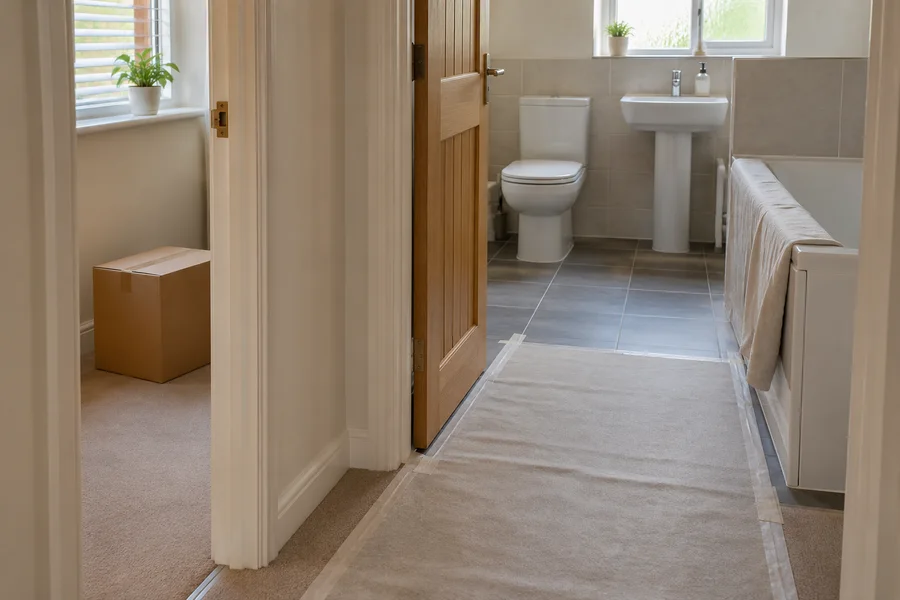
A useful fitting schedule explains what happens in the room and when your facilities may be interrupted. Ask about the stages of your own job rather than a fixed online duration.
Separate the start date from time in the room
The wait for fitting to begin and the time spent replacing the bathroom are different parts of the plan. Ask which dates depend on product checks, availability and the agreed work. Explain a particular date that matters to the household, but do not assume a first conversation confirms it. Our bathroom installation service in Dunfermline brings the selected products and fitting work into the proposal. A useful schedule follows that job. It should tell you what is being arranged and what remains to be confirmed, rather than offer a number of days detached from the room.
Know what must be ready before removal
Ask which layout decisions and products need confirming before the old suite comes out. A promised delivery date is not the same as the correct fittings being checked and ready. Agree who inspects boxes for damage, missing parts and the right model. Include any task being arranged separately so its timing is understood. Store products in the agreed place without blocking routes through the home. If something changes, tell the main contact promptly. Avoid disconnecting or removing fittings yourself unless that work has specifically been agreed; useful preparation should not leave the room unusable before the installation is ready to start.
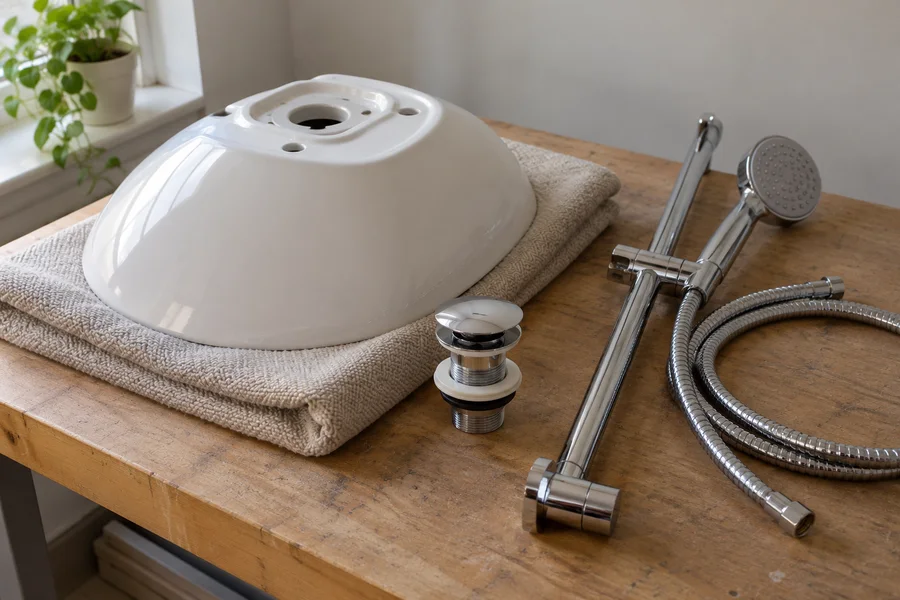
Agree interruptions and routes through the home
Explain whether there is another usable toilet, basin or shower and who relies on each one. Ask about the facilities separately: losing the bath does not establish what happens to the toilet. Discuss the carrying route, shared entrances and nearby belongings, including children, pets or home working. Agree what you need to move and how the route will be protected. Our questions before agreeing the work help prepare that conversation. Household arrangements need to follow the actual fitting plan, rather than assume the room will be usable every evening or that a neighbouring bedroom will stay quiet.
Understand removal and the condition check
Taking out the old fittings and finishes reveals the starting surfaces for the new bathroom. The quote should identify the agreed removal and waste arrangements. Ask how any further damage will be shown and explained. A finding beneath the bath may require a different repair from the preparation already priced. Keep that proposed work and cost clear before approval, including any effect on dates. Our bathroom costs guide explains how preparation belongs in the quote. Do not judge progress only by the new objects visible in the room; removal and assessment establish what can be fitted next.
Confirm Fittings Before the Walls Are Finished
Plumbing, electrical work and suitable surfaces must be prepared for the selected products. Mirrors, towel rails, screens and shelves can need their positions agreed during that work. Ask when those choices are required instead of leaving them until every wall looks finished. Keep the product references and current drawing available to the person making decisions. A changed basin or shower may affect connections even if it looks similar. The purpose is to keep necessary decisions ahead of the work that relies on them, so fitting is not based on an old model or a position still under discussion elsewhere.
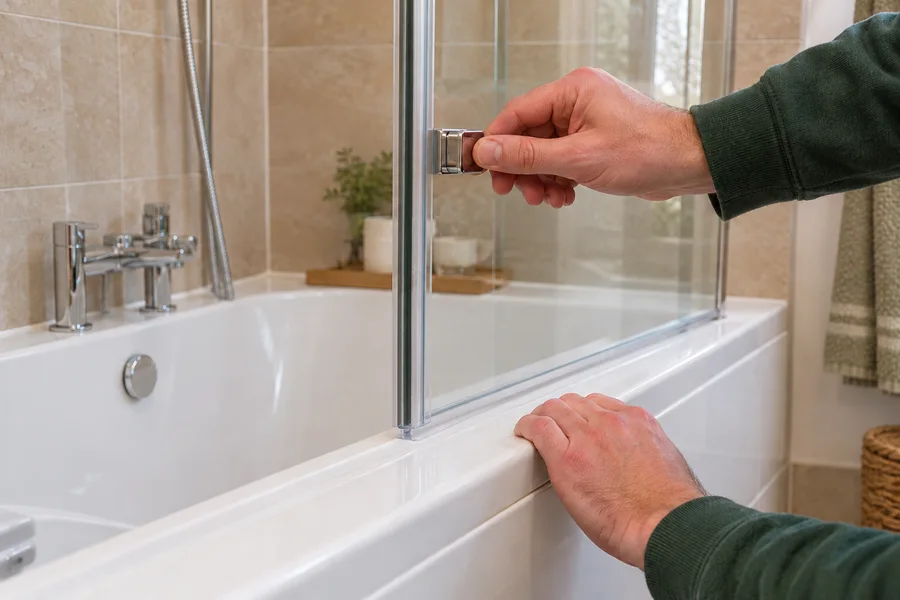
Allow the finish to be completed in its proper order
Walls, floors, suite and accessories follow the preparation appropriate to the products being used. Some materials need time before another stage or before water exposure. Ask for the planned sequence and which waiting periods affect facilities. A day with fewer visible changes is not automatically a day with nothing happening. Keep the explanation tied to the actual products, rather than transfer a timetable from another bathroom. Check how a separate decoration or finishing task fits around the agreed installation if it is outside the quote. Knowing which stage comes next helps you plan around the room being out of use.
Keep schedule changes and decisions clear
Choose one household contact who can be reached when a question needs answering. If work or a product changes, ask what that means for the next stage, facilities and any other arrangements. Keep the agreed update with the current quote and product list. Several people giving different instructions can make an otherwise simple decision unclear. A short written record is useful after a phone conversation, especially when someone is away during the day. Ask how you will hear about progress at the points that affect your household, without expecting a general reassurance that every stage always runs to the first estimate.
Plan the walk-through and return to use
Leave time to look around the completed room with the agreed work list. Learn the controls, screen and furniture movements, care requirements and intended plumbing access. Ask when each facility can be used under the relevant product instructions. Keep temporary washing arrangements until that point is confirmed. Record anything still outstanding, its next step and the contact for a later question. This final conversation closes the schedule as well as the visible fitting work. The household needs to know how to use the bathroom and what remains to be done, rather than assume the last tool leaving means every surface is ready for water.
Your checklist
- Check readiness before removal
- Discuss facilities separately
- Keep dates and approved changes together